Transform Your Home: Personalize Your Interior Design
Creating a home that truly reflects your personality and lifestyle can transform your everyday living experience. When your space feels uniquely yours, it becomes a source of comfort, inspiration, and joy. This post explores practical ways to personalize your interior design, helping you turn any house into a home that tells your story.
Understand Your Style and Preferences
Before making any changes, take time to identify what styles and elements resonate with you. Your personal style is the foundation of your interior design.
Create a mood board: Collect images, colors, textures, and furniture styles that appeal to you. This visual guide helps clarify your preferences.
Consider your lifestyle: Think about how you use each room. For example, if you love hosting, prioritize comfortable seating and open layouts.
Reflect on colors: Choose colors that evoke the mood you want. Soft blues and greens promote calm, while warm tones like reds and oranges add energy.
Knowing your style prevents costly mistakes and ensures your home feels cohesive and inviting.
Mix Functionality with Aesthetics
A beautiful home should also work well for your daily needs. Balancing function and design means your space looks great and supports your routine.
Invest in versatile furniture: Pieces like storage ottomans or extendable dining tables save space and add practicality.
Plan lighting carefully: Use a combination of ambient, task, and accent lighting to create layers. For example, reading lamps by chairs and dimmable overhead lights enhance usability.
Organize smartly: Use shelves, baskets, and cabinets to keep clutter out of sight. A tidy space feels more relaxing and personalized.
Functionality ensures your home supports your life, not just your style.
Add Personal Touches with Art and Decor
Art and decor are the easiest ways to inject personality into your home. They tell your story and make your space feel lived-in.
Display meaningful items: Family photos, travel souvenirs, or handmade crafts add emotional value.
Choose artwork that speaks to you: Whether it’s a bold painting or a subtle print, art reflects your tastes.
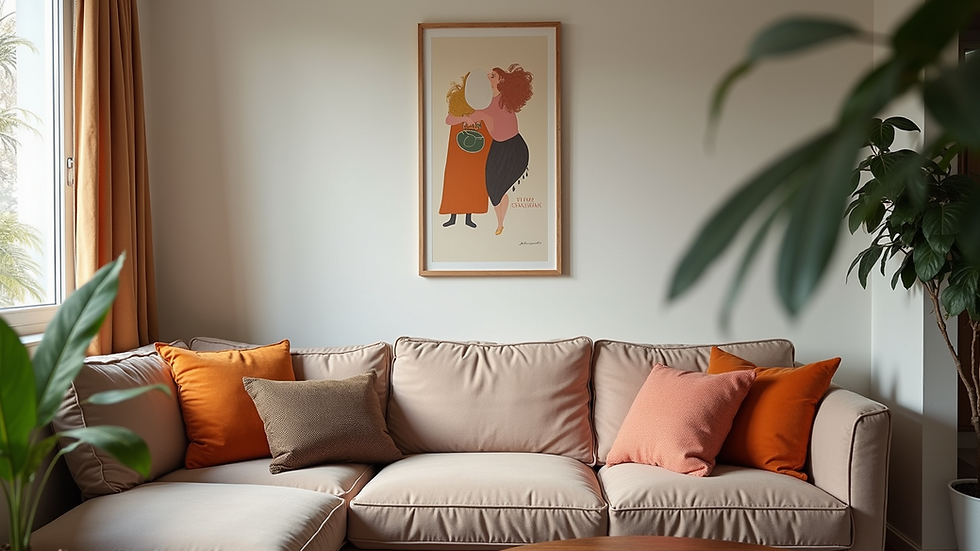
Use textiles for warmth: Rugs, cushions, and throws in your favorite patterns and colors create comfort and style.
These elements make your home feel unique and welcoming.
Experiment with Color and Texture
Color and texture bring depth and interest to your interiors. They influence mood and highlight your personality.
Try accent walls: Painting one wall in a bold color or using wallpaper adds character without overwhelming the room.
Layer textures: Combine smooth, rough, soft, and shiny materials. For example, pair a velvet sofa with a jute rug and metal lamps.
Use natural elements: Wood, stone, and plants introduce organic textures that feel grounding and fresh.
These choices create a tactile and visual experience that feels personal.
Customize Furniture and Fixtures
Custom or DIY furniture allows you to tailor pieces exactly to your needs and style.
Reupholster old furniture: Give a classic chair new life with fabric that matches your decor.
Build simple pieces: Shelves, benches, or tables made to your specifications add uniqueness.
Choose hardware and finishes: Changing knobs, handles, or light fixtures can dramatically alter the look of cabinets and doors.
Customizing furniture makes your home one-of-a-kind.
Incorporate Greenery and Natural Light
Plants and natural light improve both the look and feel of your home.
Select plants that suit your space: Low-maintenance options like snake plants or pothos thrive indoors.
Place plants strategically: Use them to fill empty corners, decorate shelves, or frame windows.
Maximize daylight: Use sheer curtains or blinds that open fully to let in sunlight, which brightens rooms and boosts mood.
Greenery and light connect your home to nature and enhance well-being.
Use Personal Collections Creatively
If you collect items like books, vinyl records, or ceramics, display them in ways that add charm and personality.
Create dedicated spaces: A bookshelf arranged by color or theme becomes a visual focal point.
Mix collections with decor: Combine your items with plants or art for a curated look.
Rotate displays: Change what you show seasonally to keep your space fresh.
Showcasing collections turns your interests into design features.
Pay Attention to Details
Small details can make a big difference in personalizing your home.
Choose unique door handles or light switches: These subtle touches add character.
Use scented candles or diffusers: Scents tied to memories or preferences create atmosphere.
Add personal stationery or books on coffee tables: These invite guests to learn more about you.
Details complete the story your home tells.
Keep Flexibility in Mind
Your tastes and needs will evolve. Designing with flexibility allows your home to grow with you.
Use modular furniture: Pieces that can be rearranged or expanded adapt to changing uses.
Choose neutral bases: Walls and large furniture in neutral tones make it easier to swap accents and decor.
Plan for future projects: Leave room for new art, plants, or furniture as your style develops.
Flexibility keeps your home feeling fresh and relevant.
Personalizing your interior design is about creating a space that feels right for you. By understanding your style, balancing function and beauty, and adding meaningful touches, you can transform your home into a place that truly reflects who you are. Start small, experiment, and enjoy the process of making your space uniquely yours.


Power tools selection is maintained by Home Mart. Items are categorized logically. Display follows consistent arrangement.